
Job Costing
Why Most Contractors Underprice Their Jobs (Without Knowing It)
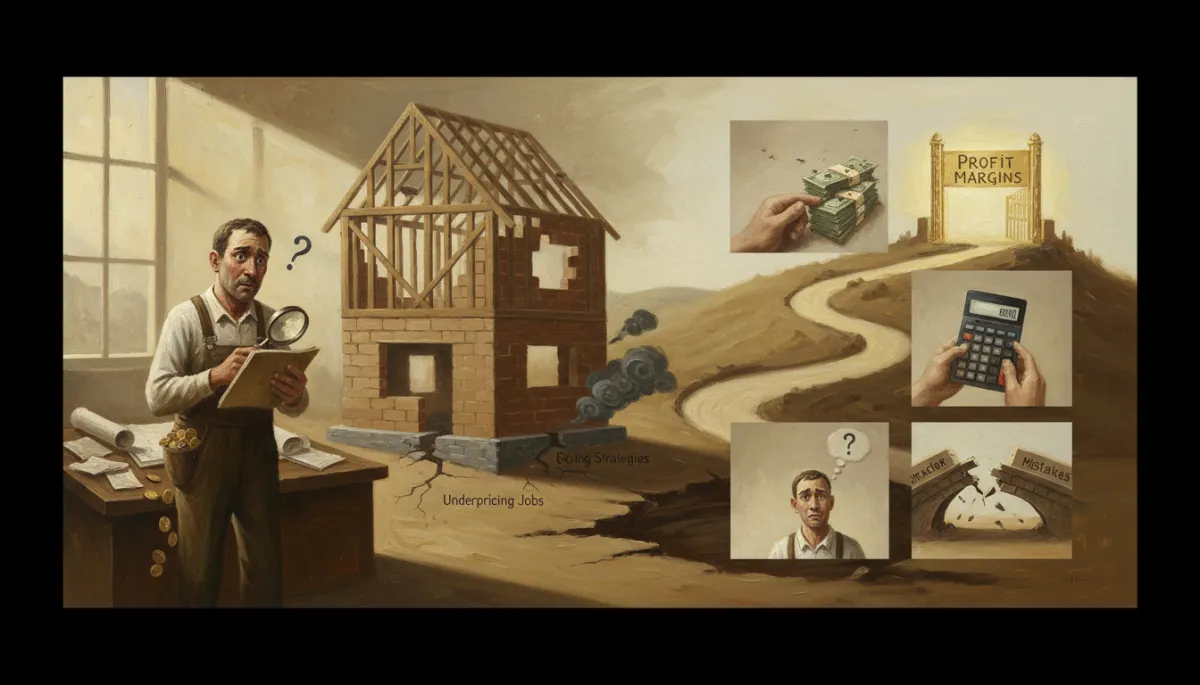
On a chilly Monday morning, a small remodeling contractor named Dave stood in his truck, staring at a check that should have felt like a win. The kitchen he’d just finished was beautiful. The homeowner was thrilled. The crew had worked hard. Yet as he ran the numbers on the back of an envelope, his stomach sank. After six weeks of dust, delays, and long days, he realized he’d barely made a profit. Again.
If you’ve ever finished a project, looked at your bank account, and wondered, “Where did the money go?” you’re not alone. Underpricing jobs is one of the most common—and most dangerous—contractor mistakes. It doesn’t show up as a loud alarm. It creeps in quietly, one “favor” and “small discount” at a time, until your business is running full speed just to stay in place.
The Story Behind “Just Sharpen the Pencil a Little”
Picture this: a homeowner slides your estimate across the table and says, “We really like you, but another contractor came in a bit lower. If you can come down just 10%, we’ll sign today.” You think about the slow month you just had, the crew you want to keep busy, and the bills waiting at home. So you do what so many contractors do—you “sharpen the pencil.”
On paper, that small cut doesn’t look like much. But what most people don’t see is how deeply it slices into your profit margins. A 10% price cut doesn’t reduce your profit by 10%. In many cases, it can cut your profit in half—or wipe it out entirely. That’s the hidden danger of casual contractor pricing decisions made under pressure.

Many pricing mistakes start in quiet conversations where urgency wins over math.
Where the Money Really Goes: The Hidden Construction Costs
Dave thought he understood his construction costs. He added up lumber, fixtures, tile, and labor hours. He even tossed in a little extra “just in case.” But what he didn’t see were the costs that never made it onto his estimate sheet: the hours spent driving to the site, the time pricing materials, the days eaten up by inspections and change orders, the insurance, the truck payment, the tools, the phone bill, the bookkeeping, and the quiet weeks between projects when money only went one way—out.
Most contractors underprice because they only count the obvious. They forget that the business itself is a hungry machine that has to be fed every single day, whether you’re swinging a hammer or stuck in traffic. When your pricing strategies don’t fully include overhead and downtime, every job becomes a slow leak in the boat. You don’t notice it at first. But by the time the season ends, you’re bailing water instead of enjoying the ride.
💡 Story Insight: The jobs that feel “safe” to discount—repeat clients, friendly referrals, small projects—are often the ones most likely to hide missing overhead and unpaid hours.
The Quiet Contractor Mistakes That Kill Profit Margins
Underpricing rarely comes from one big blunder. It’s usually a stack of small contractor mistakes that add up over time. Maybe you recognize some of these from your own story:
Basing your contractor pricing on what “feels fair” instead of hard numbers.
Matching the cheapest competitor instead of the contractor who actually makes money.
Forgetting to charge for design time, project management, and all the “free advice” you give.
Underestimating how often materials prices jump and how delays eat into profit margins.
Saying yes to scope changes without adjusting the price “because it’s not that much more work.”
Each of these decisions feels small in the moment. But together, they tell a bigger story: a business that is working hard without being paid what it’s worth. And over time, that story ends the same way—burnout, resentment, and a nagging sense that construction just isn’t as profitable as everyone promised.
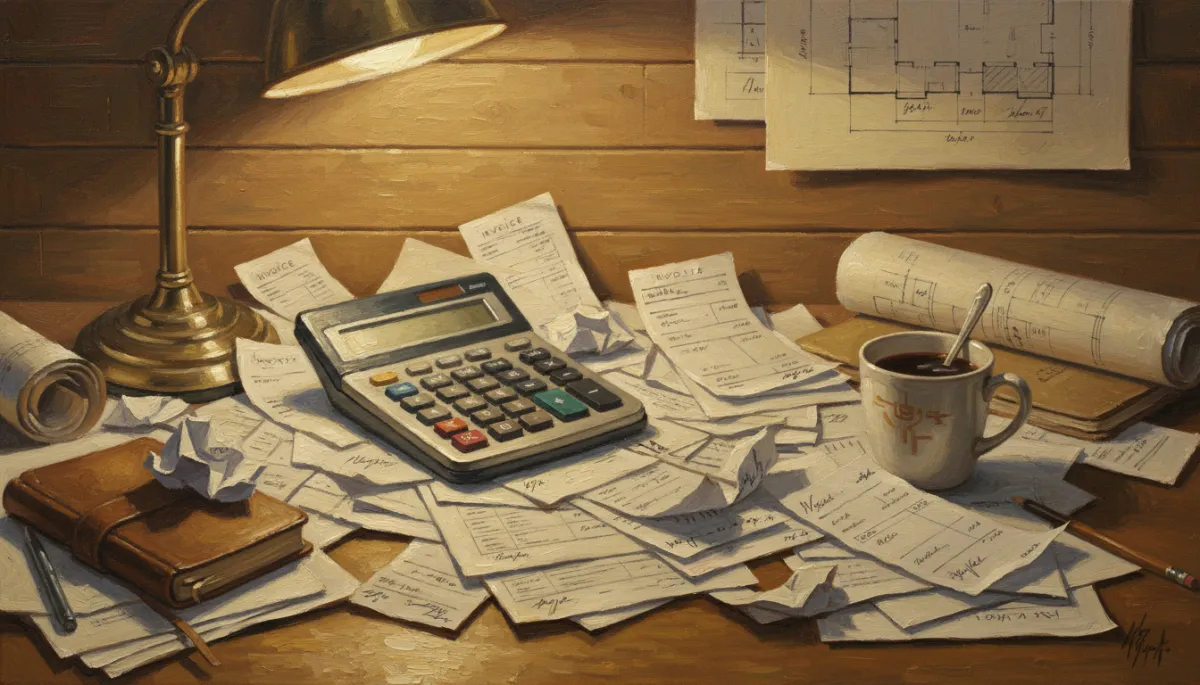
The real story of profit lives in the paperwork most contractors avoid facing.
Rewriting the Script: Smarter Pricing Strategies That Actually Work
The good news is that your pricing story can change. The turning point for many contractors comes when they stop guessing and start treating contractor pricing like the backbone of their business, not a number scribbled at the end of an estimate. That shift doesn’t happen overnight, but it begins with a few key pricing strategies.
1. Price Backwards from the Profit You Need
Instead of asking, “What will the customer pay?” start by asking, “What profit do I need to stay healthy?” Figure out your annual overhead, the salary you actually want to earn, and the number of billable hours you can realistically work. Then build your profit margins into every job. When you price backwards like this, you stop apologizing for your numbers—because you know exactly what they’re based on.
2. Treat Time as a Real Construction Cost
That hour spent hunting for a missing part, the half-day lost waiting for an inspector, the evenings answering client texts—these are all construction costs, even if they don’t show up on a receipt. Successful contractors track their time, not because they love spreadsheets, but because they know time is the one resource they can never buy back. When your pricing strategies account for all the hours you invest, your bids stop bleeding invisible labor.
3. Build a Buffer for the Unknowns
Every contractor has a story about the job that went sideways: the hidden rot, the surprise wiring, the client who changed their mind three times. These aren’t freak accidents; they’re part of the landscape. Smart contractor pricing includes a contingency—an honest buffer for the things you can’t see yet. This isn’t about padding the bill. It’s about protecting the project, the relationship, and your business when reality doesn’t match the original plan.

Confident pricing turns every project meeting into a decision, not a gamble.
4. Charge for the Brain, Not Just the Hands
Homeowners don’t just hire you to swing a hammer. They hire your experience, your judgment, and your ability to see problems before they happen. Yet many contractors give away that value for free in the form of endless “quick visits” and detailed proposals that never turn into work. One of the most powerful pricing strategies is to charge for design, consulting, or preconstruction planning. When you value your brainwork, clients start valuing it too—and your profit margins grow accordingly.
Teaching Your Clients Your New Story About Value
Of course, changing your contractor pricing doesn’t happen in a vacuum. Your clients have their own stories about what a job “should” cost. Some have been trained by bargain hunters and cut-rate bids. When you raise your prices to reflect true construction costs, you may feel the urge to apologize or explain too much. Instead, try a different story—one that focuses on clarity, communication, and outcomes.
Walk clients through what’s included: the planning, the project management, the cleanup, the warranty, the way you protect their home and schedule. Show them how your process reduces stress and surprises. When you present your price as the investment required to deliver that level of care, you stop competing with the lowest number on the page and start competing on trust, reliability, and results.
📌 Key Takeaway: The right clients aren’t just buying a project. They’re buying peace of mind. Your price should tell that story clearly and confidently.
From Barely Getting By to Building a Business That Lasts
Months after that painful kitchen project, Dave sat at the same table with a new client. This time, his estimate looked different. He had built in overhead, a realistic labor rate, a contingency, and a clear profit goal. When the homeowner asked if he could “come down a little,” he felt that old tug of fear—but instead of folding, he calmly explained what his price included and how it protected both of them. The client thought for a moment, then nodded and signed.
The project went smoothly. There were still hiccups, of course—there always are in construction—but this time, the numbers worked. At the end of the job, Dave didn’t just have a happy client and a beautiful before-and-after photo. He had something even more important: a healthy profit margin and the quiet confidence that his business could finally support the life he wanted.

When pricing honors real costs and value, every finished job moves your story forward.
Your Next Chapter Starts with One Honest Look at Your Numbers
If your business feels like a treadmill—constant work, little to show for it—there’s a good chance underpricing jobs is part of the plot. The shift doesn’t start with a fancy spreadsheet or a consultant. It starts with you deciding that your time, your team, and your craft deserve to be priced in a way that reflects their true worth.
Take one current project and trace every hour, every cost, every risk you’re carrying. Then ask yourself: “If I keep pricing this way for the next five years, where does my story end?” And then, just as importantly: “What would have to change in my contractor pricing and pricing strategies for this business to become the kind of story I’d be proud to tell?”
Most contractors underprice without knowing it. The ones who build lasting, profitable businesses are the ones who decide to know—and then have the courage to charge what it really takes to do the job right. Your next estimate can be more than a number; it can be the first line in a new chapter where your work, your construction costs, and your profit margins finally tell the same honest, sustainable story.
Numbers that finally make sense.
Tru-Financial Management gives contractors and small businesses clean books, real job costing, and tax-ready financials — all in one house.
Book a free consultation