
Bookkeeping
Is AI Replacing Bookkeeping? A Story From Inside the Ledger
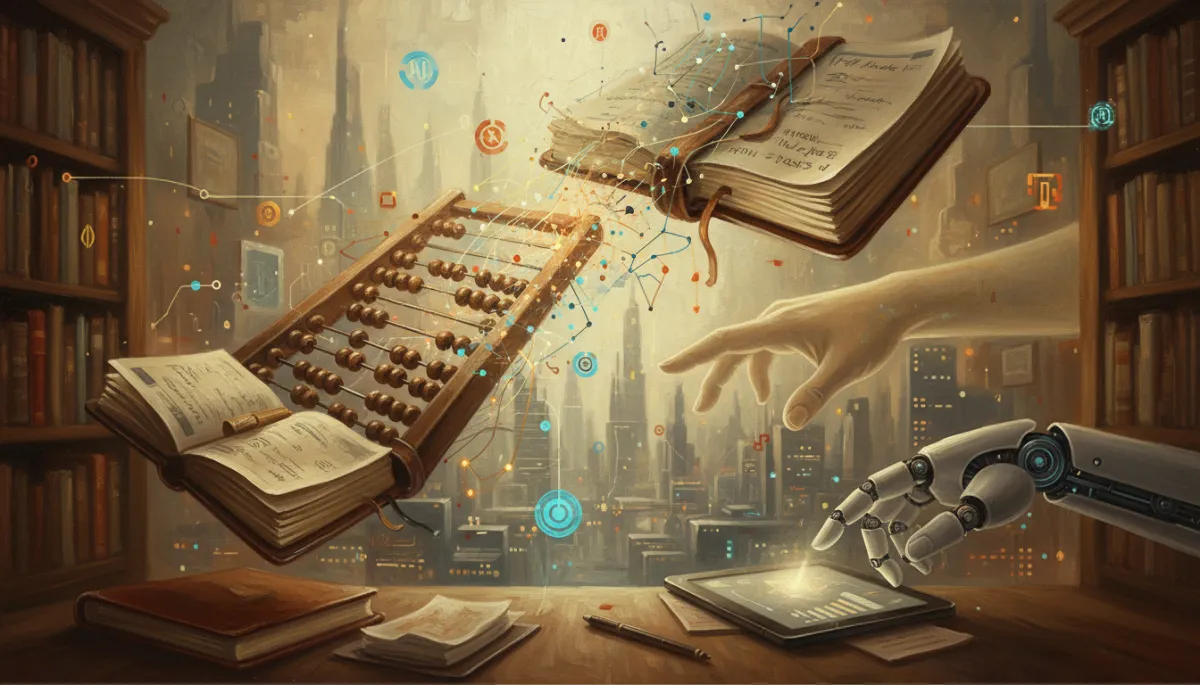
The question echoes through accounting departments, co-working spaces, and late-night Google searches: is AI really replacing bookkeeping, or is something more complicated unfolding behind the spreadsheets?
The Bookkeeper Who Met an Algorithm
On a rainy Tuesday evening, Emma, a small business bookkeeper, stared at an email that felt like a plot twist in a story she thought she already knew. Her client had written, “We’re trying a new AI bookkeeping platform. It promises to automate most of the work. Let’s see how it goes.”
Emma had spent a decade turning chaos into order: matching receipts to statements, reconciling accounts, and translating messy transactions into clean financial stories. Now a piece of software claimed it could do that faster, cheaper, and without ever asking for a coffee break. It sounded efficient—and a little terrifying. Was this how bookkeeping jobs ended, replaced by lines of code and glowing dashboards?
What AI Bookkeeping Really Does All Day
When Emma finally logged into the AI tool her client chose, she expected a kind of digital wizard. What she found instead was more like a very fast, very literal assistant. The system scanned bank feeds, categorized transactions, and suggested where each expense should go. It flagged duplicates and spotted patterns. This was automation in finance at work—tireless, consistent, and impressively quick with routine tasks.
But the longer she watched, the more she noticed the gaps. The AI didn’t understand that the oddly labeled payment from “Sunrise” was actually a new supplier, not a customer refund. It couldn’t tell that a one-off expense should be tracked separately for a future tax credit. It had no memory of the frantic phone call when the client decided to restructure their pricing, nor the subtle way that decision would ripple through the books for months. The system was smart with data—but not with context, nuance, or the quiet human stories behind the numbers.

Automation handles the routine, but humans still interpret the story behind the numbers.
Are Bookkeeping Jobs Disappearing—or Evolving?
As more firms adopt AI tools, the nature of bookkeeping jobs is changing. The work that once filled entire days—manual data entry, basic categorization, chasing down missing invoices—is increasingly handled by machines. On the surface, that sounds like a direct threat to human bookkeepers. But talk to people inside the profession, and a more layered picture emerges.
Firms aren’t saying, “We don’t need bookkeepers anymore.” Instead, they’re saying, “We need bookkeepers who can do more than just enter data.” Clients now ask for cash flow forecasting, scenario planning, and insight: Why did profit dip this quarter? What’s driving those rising costs? Should we hire, expand, or hold steady? AI can generate the reports, but someone still has to interpret them, explain them, and translate them into decisions a business owner can live with.
💡 Pro Tip: Bookkeepers who lean into advisory skills, communication, and tech literacy are positioning themselves not as replaceable, but as indispensable partners in an AI-driven world.
The AI Impact on Accounting: From Clerks to Storytellers
The broader AI impact on accounting mirrors what Emma experienced. Across firms, entry-level roles that once focused on repetitive tasks are shrinking, while roles that demand analysis, empathy, and strategic thinking are growing. AI doesn’t replace the need for judgment; it amplifies it, by surfacing more data, faster, than any human could alone.
Think of AI as the engine that powers the ship, while accountants and bookkeepers still steer. The software can say, “Your expenses increased 18% this quarter,” but it can’t sit across from a nervous business owner and say, “Here’s what that means, and here are three realistic paths forward.” That bridge—from raw numbers to real-world decisions—is where human professionals still matter most.

AI surfaces insights; human advisors turn them into confident business decisions.
Bookkeeping Industry Trends: What the Numbers Are Whispering
Look closely at current bookkeeping industry trends, and you’ll notice a quiet but powerful shift. Cloud platforms, AI categorization, and bank-feed automation are no longer futuristic perks; they’re standard features. Clients expect real-time dashboards instead of once-a-quarter updates. Remote collaboration is normal. And the definition of “a bookkeeper” is stretching beyond the old image of someone alone with a calculator and a stack of receipts.
Today’s leading bookkeeping firms market themselves as financial partners, not just record-keepers. They bundle services: monthly bookkeeping, KPI tracking, light CFO-style guidance, and technology setup. Many highlight their use of AI bookkeeping tools as a selling point, not a secret threat. The message is clear: “We use automation in finance so we can spend more time on you, not your data entry.”
The Future of Bookkeeping: Co-Authoring with Machines
So what does the future of bookkeeping really look like? Imagine Emma a few years from now. Her day starts not with entering transactions, but with reviewing an AI-generated summary: unusual spending patterns, overdue invoices, predicted cash crunches. Instead of drowning in raw data, she skims a curated list of what actually needs her attention—then spends her time calling clients, explaining risks, and helping them choose their next move.
In that world, AI is not her rival; it’s her co-author. It writes the first draft of the financial story: the numbers, the charts, the trends. She edits, interprets, and adds the human chapters—context, goals, trade-offs, and emotions. The profession doesn’t vanish; it matures. Bookkeepers become translators between algorithms and actual lives, between balance sheets and business dreams.

The next generation of bookkeepers will navigate both paper trails and digital constellations.
How Bookkeepers Can Thrive in an AI-Driven Era
If you’re a bookkeeper—or training to become one—the story is still being written, and you have a pen in your hand. The rise of AI bookkeeping doesn’t have to push you out; it can pull you up, if you’re willing to evolve with it. That might mean learning new software, yes, but it also means sharpening timeless skills: curiosity, clear communication, ethical judgment, and the ability to see patterns others miss.
Embrace automation in finance tools instead of avoiding them; knowing how they work makes you more valuable, not less.
Shift your mindset from “record keeper” to “financial guide,” focusing on insights and recommendations.
Stay curious about bookkeeping industry trends so you can anticipate what clients will need next.
Emma’s story, like that of many professionals, is not about being replaced, but about being invited into a different role. At first, she feared the software would quietly take over. Instead, her clients began asking for more meetings, more explanations, more planning. The AI had made their numbers clearer—but it had also made their questions bigger. And those questions still needed a human listener on the other side.
So, Is AI Replacing Bookkeeping?
In the simplest terms: AI is replacing tasks, not people. It is rewriting the first half of the bookkeeping story—the part filled with repetitive entries, reconciliations, and routine checks. But the second half of the story, where numbers become choices and choices become futures, still belongs to humans. The future of bookkeeping is less about fighting the machines and more about learning to collaborate with them, letting them handle the grind so you can focus on the guidance.
And as long as businesses are run by people with hopes, fears, and ambitions—not just spreadsheets—there will be room for bookkeepers who can read both the ledger and the human being behind it. AI may change the tools, but the heart of the work remains the same: telling the financial truth, clearly and compassionately, so others can write the next chapter of their business story with confidence.
Numbers that finally make sense.
Tru-Financial Management gives contractors and small businesses clean books, real job costing, and tax-ready financials — all in one house.
Book a free consultation