
Bookkeeping
The Biggest Bookkeeping Mistakes I See Every Week

Every Monday morning, I pour a cup of coffee, open my laptop, and step into the same familiar story: small business owners doing their best, but tripping over the same bookkeeping mistakes again and again. Different industries, different personalities, same Common Errors quietly sabotaging their Financial Management, Small Business Accounting, Budgeting, and Tax Preparation. Let me tell you what I see—so you don’t have to learn these lessons the hard way.
Mistake #1: Treating Bookkeeping Like a “Someday” Task
A few months ago, I met Carla, who runs a cozy bakery on the corner of a busy street. Her croissants sell out by 10 a.m., her regulars know her by name, and yet her books were a mystery even to her. When I asked for her records, she handed me a shoebox full of receipts and said, “I swear I’m going to get to this… someday.”
That “someday” attitude is one of the most dangerous Bookkeeping Mistakes I see. Bookkeeping isn’t a once-a-year chore you rush through before Tax Preparation; it’s a weekly (often daily) habit. When you delay, expenses get forgotten, income goes unrecorded, and your bank balance becomes your only “report.” By the time you realize something is off, you’re months behind and guessing instead of managing. That’s not Financial Management—that’s survival mode.
💡 Story-Based Tip: Set a recurring “money date” with your business—30 minutes every week to categorize transactions, send invoices, and reconcile your accounts. Carla now does this every Friday, and her panic level has dropped dramatically.
Mistake #2: Mixing Personal and Business Money Like a Smoothie
Then there was Jamal, a web designer who proudly told me, “I just use one card for everything—it keeps things simple.” Simple for a moment, maybe. But when we pulled his statements, business software subscriptions were sandwiched between grocery runs, birthday gifts, and late-night takeout. His Small Business Accounting was tangled up with his personal life like a pair of earbuds at the bottom of a bag.
Mixing personal and business finances is one of the most common Bookkeeping Mistakes, and it creates a chain reaction of problems: messy records, inaccurate profit numbers, and headaches during Tax Preparation. It can even cause issues if you’re ever audited, or if you want a loan or investor. A clean separation isn’t just good practice—it’s protection for you and your business.
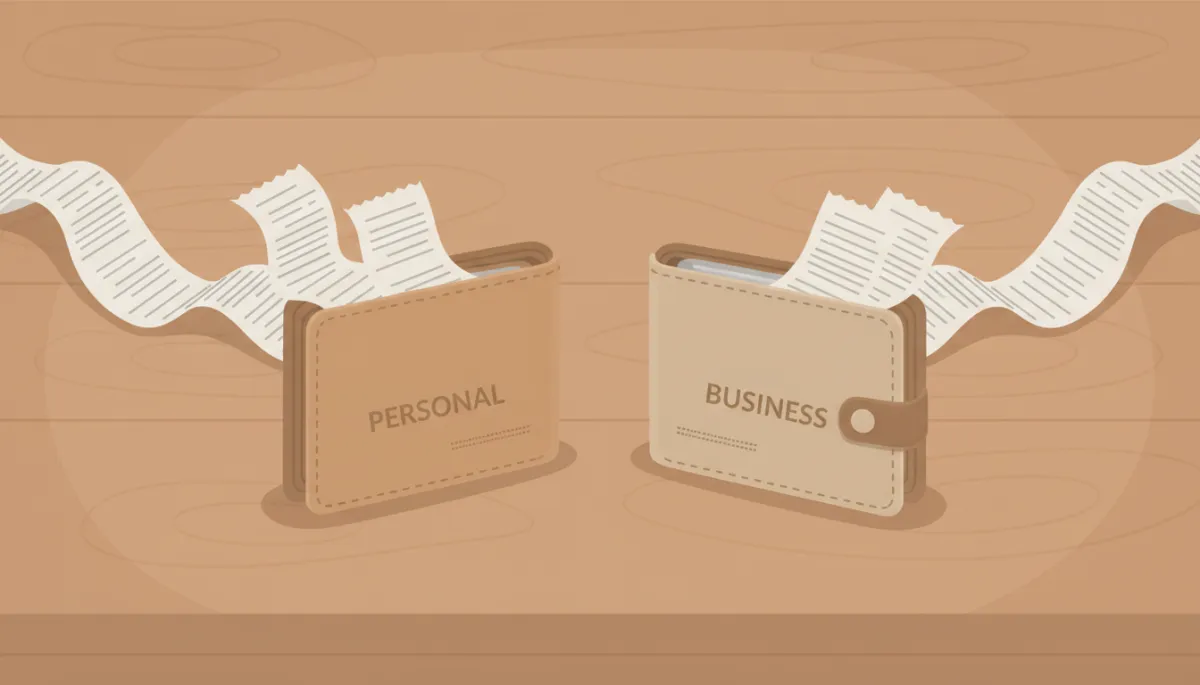
Clear separation of accounts turns chaotic spending into manageable, trackable business data.
Mistake #3: Ignoring the Story Your Numbers Are Trying to Tell
When I first sat down with Maria, who owns a small marketing agency, she showed me her profit and loss statement with a shrug. “My accountant gave me this,” she said, “but I don’t really know what I’m looking at.” Her Bookkeeping wasn’t terrible—transactions were entered, reports existed—but the numbers were treated like a foreign language instead of a story about her business.
This is one of the subtler Common Errors: thinking bookkeeping is only about compliance. In reality, good Financial Management uses those reports to answer real questions: Which services are most profitable? Can I afford to hire? Why does cash feel tight even when sales are up? When Maria learned to read her reports, she discovered one retainer client took twice as much work as the others for the same fee. Within three months of adjusting her pricing, her cash flow finally matched her effort.
📌 Key Takeaway: Bookkeeping isn’t just about recording the past; it’s about revealing patterns that guide your next decision in Small Business Accounting and overall strategy.
Mistake #4: Skipping Real Budgeting (and Calling Hope a Plan)
One of my favorite clients, a gym owner named Leo, once told me, “My Budgeting strategy is simple: I just try not to spend too much.” When we dug into his numbers, we found months where marketing spend spiked for no clear reason, equipment repairs wiped out cash reserves, and his own paycheck was whatever happened to be left. He wasn’t reckless; he was just operating without a map.
Skipping a real budget is one of the most preventable Bookkeeping Mistakes. Budgeting Tips don’t have to be complicated to work. Start with three simple questions: What do I expect to earn? What do I need to spend to keep the business running? What will I set aside—for taxes, savings, and growth? When Leo created a basic monthly budget and reviewed it against his actuals, surprises didn’t disappear, but they stopped being disasters. He knew where he could cut, where he could invest, and when he needed to wait.
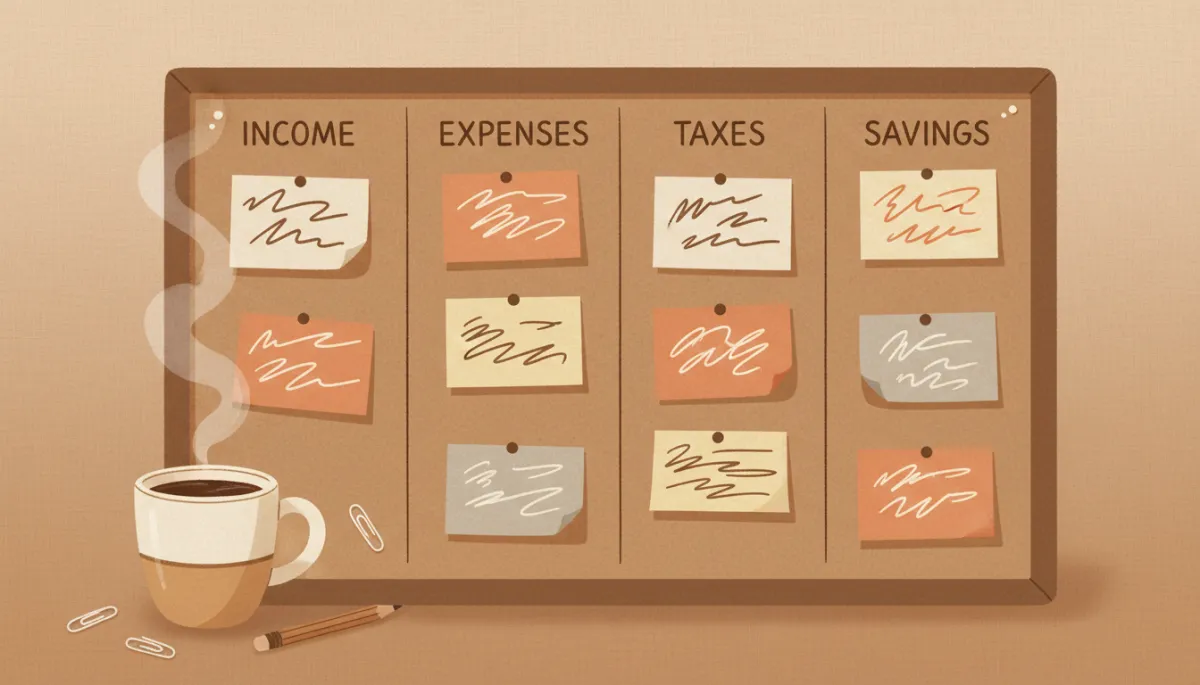
A simple, visual budget can turn vague intentions into concrete monthly targets.
Mistake #5: DIY Forever—Even When the Numbers Get Bigger
I often meet owners who started out doing everything themselves—answering phones, fulfilling orders, handling Small Business Accounting late at night at the kitchen table. That hustle is admirable, but there’s a turning point where DIY bookkeeping quietly becomes a liability. I remember one retailer who proudly showed me the spreadsheet she’d built from scratch. It had tabs for inventory, sales, and expenses… and also formulas that had been broken for months without her noticing. Her profit margin looked healthy on paper, but the bank account told a different story.
One of the most expensive Common Errors is clinging to systems that no longer fit your business. As revenue grows, transactions multiply, and Tax Preparation gets more complex, the cost of a mistake rises. At some point, investing in proper software—or partnering with a bookkeeper—saves money, time, and a lot of late-night stress. Think of it as upgrading from training wheels to a real bike; you can technically keep riding the old way, but it will slow you down and eventually cause a fall.
Mistake #6: Treating Tax Season Like a Surprise Party
Every year, around February, my inbox fills with variations of the same message: “I need help. My taxes are due and my books aren’t ready.” One client, a photographer named Nina, came to me with a stack of unsent invoices and months of uncategorized expenses. She wasn’t lazy; she was overwhelmed. Tax season felt like a pop quiz she hadn’t studied for, and her Bookkeeping Mistakes were suddenly front and center.
Effective Tax Preparation doesn’t start in March; it starts the moment the year begins. When your records are current, income is tracked, and deductible expenses are neatly categorized, tax time becomes a review, not a rescue mission. Plus, you’re far less likely to miss deductions, underpay, or overpay. Nina now sets aside a percentage of every paid invoice into a separate tax savings account and keeps her books updated weekly. April still isn’t her favorite month—but it no longer keeps her up at night.
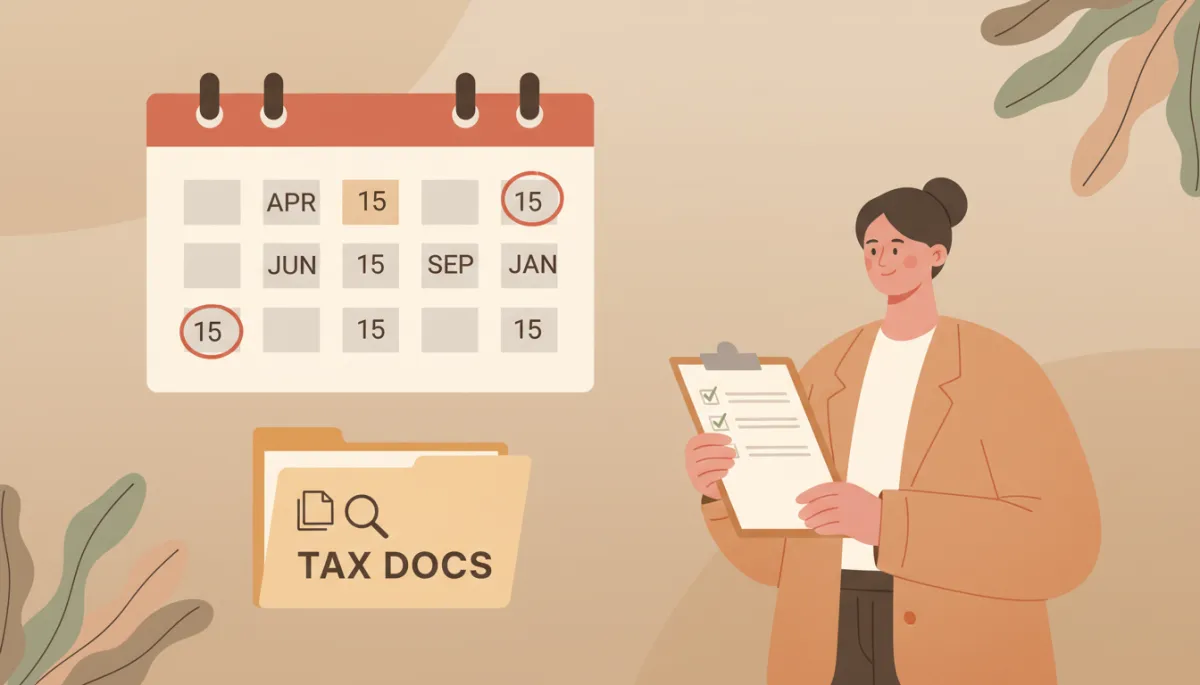
Planning for taxes all year long turns a stressful deadline into a manageable routine.
How to Break the Pattern: Simple Habits That Change Everything
After seeing these patterns play out week after week, I’ve noticed something encouraging: it doesn’t take perfection to fix your Bookkeeping Mistakes. It takes a few consistent habits. The most successful small business owners I work with don’t have spotless records from day one. They simply decide that understanding their numbers is part of being a real CEO, not an optional extra they’ll get to “someday.”
Commit to a weekly bookkeeping session—no excuses, even when you’re busy.
Keep business and personal accounts separate from day one (or start today if you haven’t).
Create a simple budget and compare it to reality every month; adjust instead of ignoring.
Use your financial reports to ask questions, not just file them away for your accountant.
Plan for Tax Preparation all year—track deductions, save for taxes, and stay current.
Your Numbers Can Become Your Strongest Ally
Every story I’ve shared—Carla with her shoebox of receipts, Jamal with his mixed accounts, Maria learning to read her reports, Leo building his first real budget, Nina facing tax season—has the same turning point. It’s the moment they stop seeing bookkeeping as a burden and start seeing it as a tool. Not a perfect, polished system overnight, but a living part of their Small Business Accounting that grows with them.
The biggest Bookkeeping Mistakes I see every week aren’t about math; they’re about mindset. When you decide that understanding your money is non-negotiable, the Common Errors begin to fade. Your Financial Management strengthens, your Budgeting Tips turn into real plans, and Tax Preparation becomes a chapter in your business story—not the villain. The next time you open your books, remember: you’re not just entering numbers. You’re writing the story of where your business has been—and where it’s going next.
Numbers that finally make sense.
Tru-Financial Management gives contractors and small businesses clean books, real job costing, and tax-ready financials — all in one house.
Book a free consultation