
Project Management
Building a Dream Pool in 2019: How One Project Exposed the High Cost of Bad Bookkeeping

In 2019, building a backyard pool felt like the perfect way to create a family oasis. What should have been a smooth, exciting project instead became a hard lesson in why accurate books, separate accounts, and trust funds are not just “good business”—they are essential protections against fraud and financial disaster.
The Excitement of Getting Started: A Professional First Impression
The process began the way many pool projects do: polished brochures, 3D renderings, and a confident contractor. The pool builder arrived on time, walked the yard, and talked through design options, finishes, and timelines. The proposal looked professional, the contract spelled out milestones, and the payment schedule seemed reasonable—a deposit up front, followed by draws at excavation, gunite, decking, and final completion.
At first, everything matched the pitch. Crews showed up, dig day happened, and the outline of a future pool took shape. The builder talked about how busy the market was and how many projects the company was juggling. For a homeowner, that sounded like a sign of success. In reality, it was an early hint at a deeper issue: money from one job was quietly being used to float another.
Where Things Went Wrong: Partnership Problems and Cash Flow Cracks
A few weeks into construction, the tone shifted. Calls weren’t returned as quickly. Crews stopped showing up consistently. Excuses started: a subcontractor was late, materials were backordered, and permitting was slow. Then, the real story emerged—the pool builder’s partnership had split, and there was a dispute over who controlled which jobs and which bank accounts.
Behind the scenes, the company had failed at two basic disciplines of financial management:
Maintaining accurate books: Job costs, deposits, and payments were not tracked clearly by project, making it nearly impossible to know which funds belonged to which homeowner.
Keeping funds separate: Money from new contracts was allegedly used to finish old projects, a classic form of commingling that creates a dangerous domino effect when cash flow tightens.
Once the partnership fractured, the weak bookkeeping was exposed. One partner claimed the other had taken too much from the joint account. Subcontractors complained they hadn’t been paid, even though homeowners had already funded those stages of work. With no clean ledger, no separate trust account, and no transparent reporting, it became almost impossible to trace where the money had actually gone.
The Human Cost: Financial and Construction Chaos in the Backyard
For the homeowner, the fallout was immediate and painful. The yard was torn up, the shell of a pool sat half-finished, and the project budget—carefully planned months earlier—was suddenly at risk. The payments already made didn’t line up with the work completed. To move forward, new contractors wanted to be paid again for work that should have been covered by earlier draws.
This is where accurate books and non-commingled funds make the difference between inconvenience and disaster. If every dollar paid had been tracked in a project-specific ledger and held in a dedicated trust or escrow account, there would have been a clear record: how much was received, how much was spent, and what remained available to finish the job. Instead, the homeowner was left piecing together bank statements, text messages, and half-complete invoices to understand what had happened.
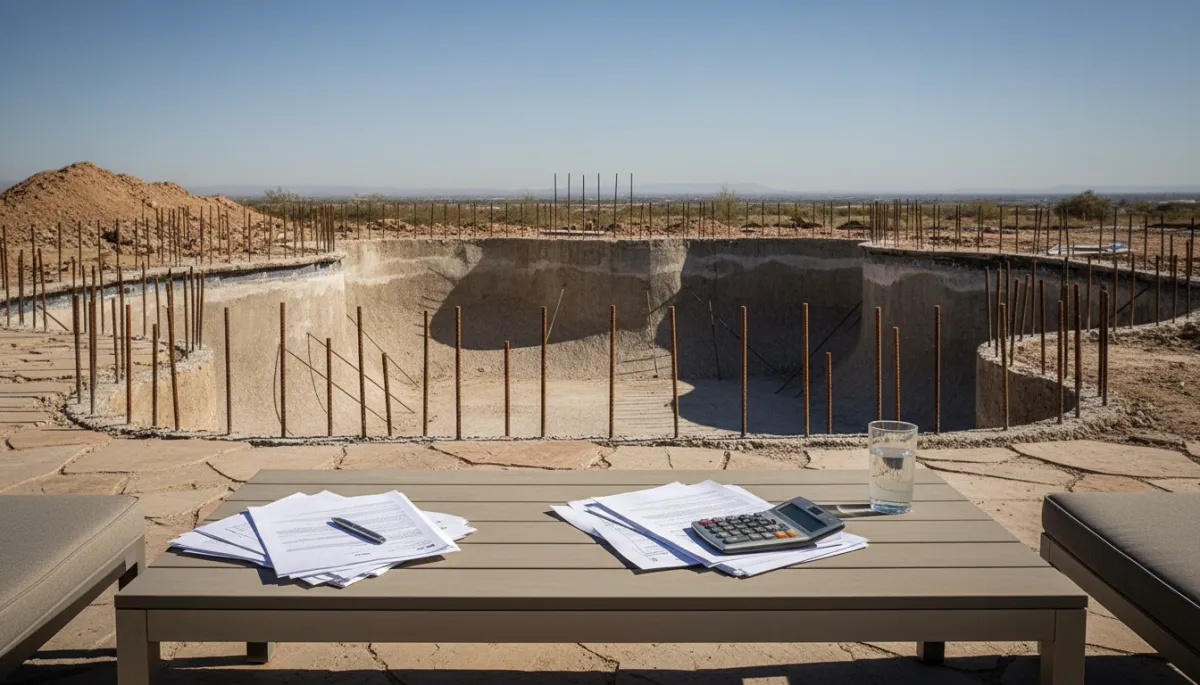
When funds are commingled and books are messy, homeowners pay twice for the same work.
Turning to the Courts: Legal Actions and Consumer Remedies in Texas
With construction stalled and communication breaking down, legal action became unavoidable. In Texas, homeowners have several options when a contractor fails to perform: reviewing the contract’s dispute clause, attempting mediation, filing complaints with the Texas Attorney General or local consumer agencies, and, when necessary, suing for breach of contract, fraud, or misapplication of trust funds.
In this 2019 pool story, attorneys were brought in to demand accounting records, bank statements, and proof of how homeowner funds had been used. That process alone revealed how thin the documentation was. Instead of clean, project-level books, there were generic spreadsheets, incomplete receipts, and accounts that mixed money from dozens of jobs. The lack of accurate bookkeeping made it harder to recover funds and easier for the builder to claim confusion rather than intentional wrongdoing.
💡 Pro Tip: Before you sign, ask your pool builder how client funds are held, who controls the account, and whether you can receive periodic written statements showing deposits and job costs.
Trust Funds and Escrow in Texas: A Financial Safety Net
One of the strongest protections available to consumers is the use of trust or escrow accounts. In many real estate transactions in Texas, funds are placed into an escrow account managed by a neutral third party—often a title company, attorney, or bank—until specific conditions are met. The Texas Real Estate Commission and the Texas Department of Banking provide guidance and oversight for these accounts to ensure that money is handled properly and released only according to the contract (TREC, Texas Department of Banking).
When a pool project is funded through a dedicated trust or escrow account, each payment you make is deposited into that account, not directly into the builder’s general operating funds. The escrow agent then disburses money only when contract milestones are met, and only for that specific job. This structure:
Prevents commingling of your funds with other projects.
Creates a clear paper trail of deposits and disbursements.
Makes it easier to audit where the money went if something goes wrong.
In the 2019 pool build, the absence of a formal trust or escrow arrangement meant homeowner funds flowed directly into the contractor’s account and were likely used to plug holes in unrelated projects. Had an escrow process been in place, the partnership split would still have been messy—but the money for the pool itself would have been far better protected and easier to track.
A Wider Pattern: The 2023 Pool Builder Sentenced to 10 Years
Unfortunately, the 2019 story is not an isolated incident. Across the country, pool builders have been investigated and prosecuted for taking large deposits, failing to complete work, and misusing client funds. In Montgomery County, Texas, for example, a pool contractor pleaded guilty after allegedly stealing more than $1.7 million from over 40 customers, leaving many with nothing more than muddy holes in their backyards (Click2Houston). In Florida, Nebraska, and South Carolina, homeowners reported nearly identical stories: big deposits, slow or shoddy work, then silence when the money ran out.
In each of these cases, poor or dishonest bookkeeping and commingled funds played a central role. When contractors treat customer deposits as a personal or general business slush fund, it becomes easy to hide misuse and hard for victims to recover what they’ve lost. That is precisely why prosecutors often focus on misapplication of fiduciary funds and fraud charges: the books tell the story of intent.
How Proper Financial Management Protects Everyone
The lessons from a single 2019 pool project and the broader wave of 2023 fraud cases point to the same conclusion: clean, accurate financial management is a powerful form of consumer protection. When builders:
Maintain accurate, job-specific books, tracking every deposit and expense to a particular project.
Avoid commingling by keeping client funds in separate trust or escrow accounts.
Provide transparent statements and are willing to show how funds are being used.
they make it much harder for fraud to occur and much easier to resolve disputes quickly and fairly. Honest contractors benefit, too. Good bookkeeping protects their reputation, helps them manage cash flow, and provides clear evidence if they are wrongly accused of wrongdoing.
Practical Steps for Homeowners Planning a Pool
If you’re considering a pool build today, the 2019 experience offers a roadmap for protecting yourself:
Ask specifically about trust or escrow accounts. Request that your payments be deposited into a project-specific account managed by a neutral third party whenever possible.
Demand written, itemized payment schedules. Each draw should correspond to a clear construction milestone and a defined scope of work.
Request periodic accounting. Ask for updates showing how much you’ve paid, what has been spent on your job, and what remains in reserve.
Check the builder’s history. Search for complaints, lawsuits, or regulatory actions through your state’s consumer protection office and local news archives.
A pool should be a place where your family relaxes, not a reminder of legal battles and financial loss. By insisting on accurate books, refusing to accept commingled funds, and understanding how trust and escrow accounts work in Texas, you dramatically reduce the risk that your dream project will become the next cautionary tale—or the next headline about a builder facing years in prison for defrauding families like yours.
Numbers that finally make sense.
Tru-Financial Management gives contractors and small businesses clean books, real job costing, and tax-ready financials — all in one house.
Book a free consultation